The Chand Dynasty of Kumaon
c. 10th century to 1790 · Champawat, Almora and the golden age of Kumaon
The Chand kings ruled Kumaon for the better part of eight centuries, first from Champawat in the east and then from Almora, the bazaar capital they founded in 1568. Under them Kumaoni culture, art and trade had their golden age.
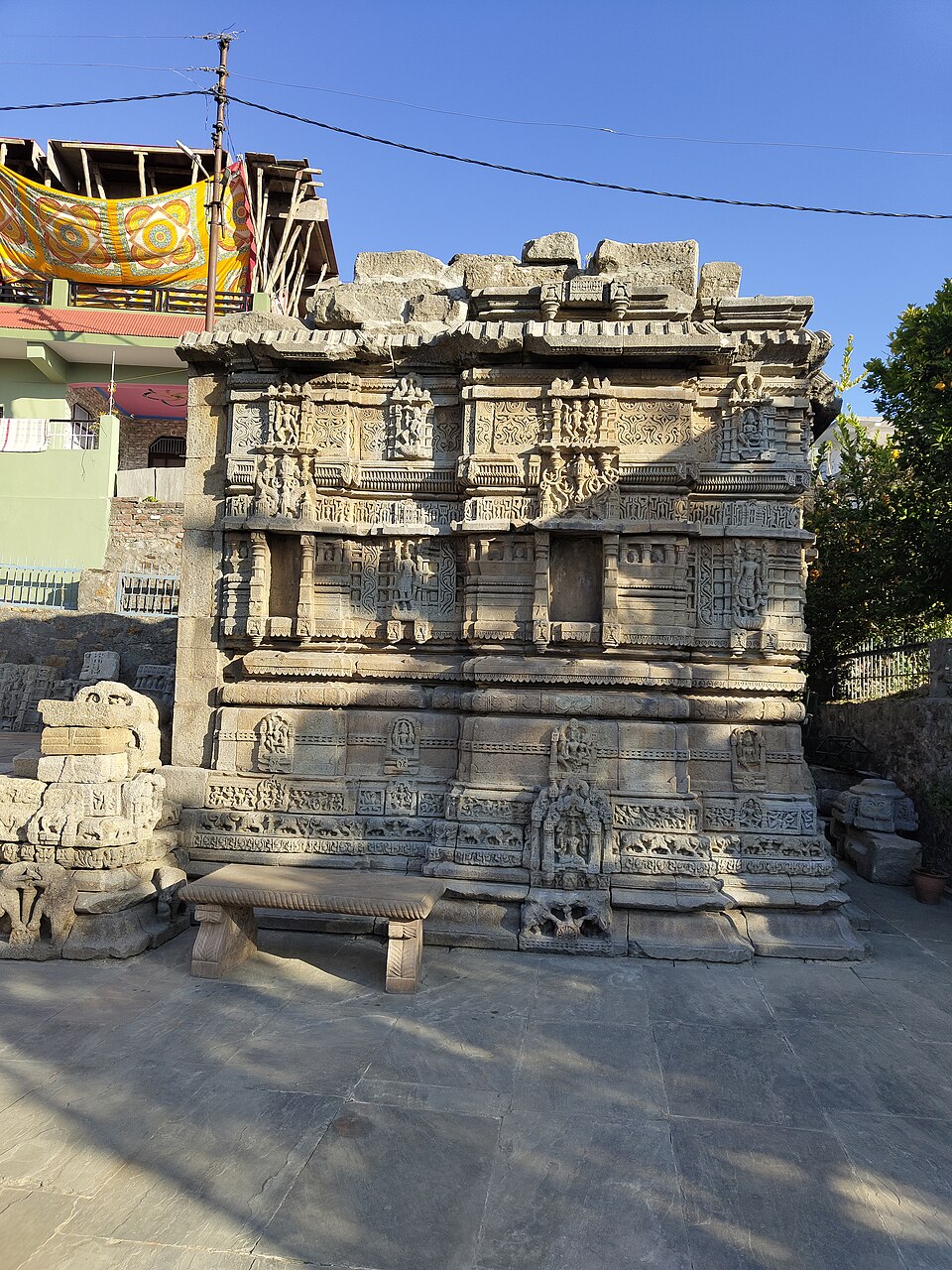
Tradition brings the founder, Som Chand, from the plains to Champawat around the 10th century. Kali Kumaon remained the seat for centuries, and its Baleshwar temple complex is the dynasty's early masterpiece. The move to Almora under Balo Kalyan Chand in 1568 put the capital at the centre of the hills, on the trade route between Tibet and the plains.
The dynasty's high noon came under rulers like Baz Bahadur Chand in the 17th century, who extended Kumaon's reach and built widely. The Chand courts patterned much of what is now thought of as classic Kumaon: the aipan and likhai crafts, the temple endowments, the great fairs, and the administrative pattis that still name the countryside.
The end came from the west and the east at once: a crushing defeat to the Gorkhas at Hawalbag in 1790 ended Chand rule, and Kumaon passed into the harsh quarter-century remembered as Gorkhyani.
Key events
- c. 10th centurySom Chand at ChampawatThe Chand dynasty establishes itself in Kali Kumaon.
- 1568Almora foundedBalo Kalyan Chand moves Kumaon's capital from Champawat to Almora.
- 17th centuryKumaon's golden ageBaz Bahadur Chand's reign marks the Chand kingdom's height.